· history
The Port That Gave Coffee Its Name
Most cafes serve a 'mocha' without knowing it's a place. Here's the brief history of the Yemeni port that put coffee on the world map.
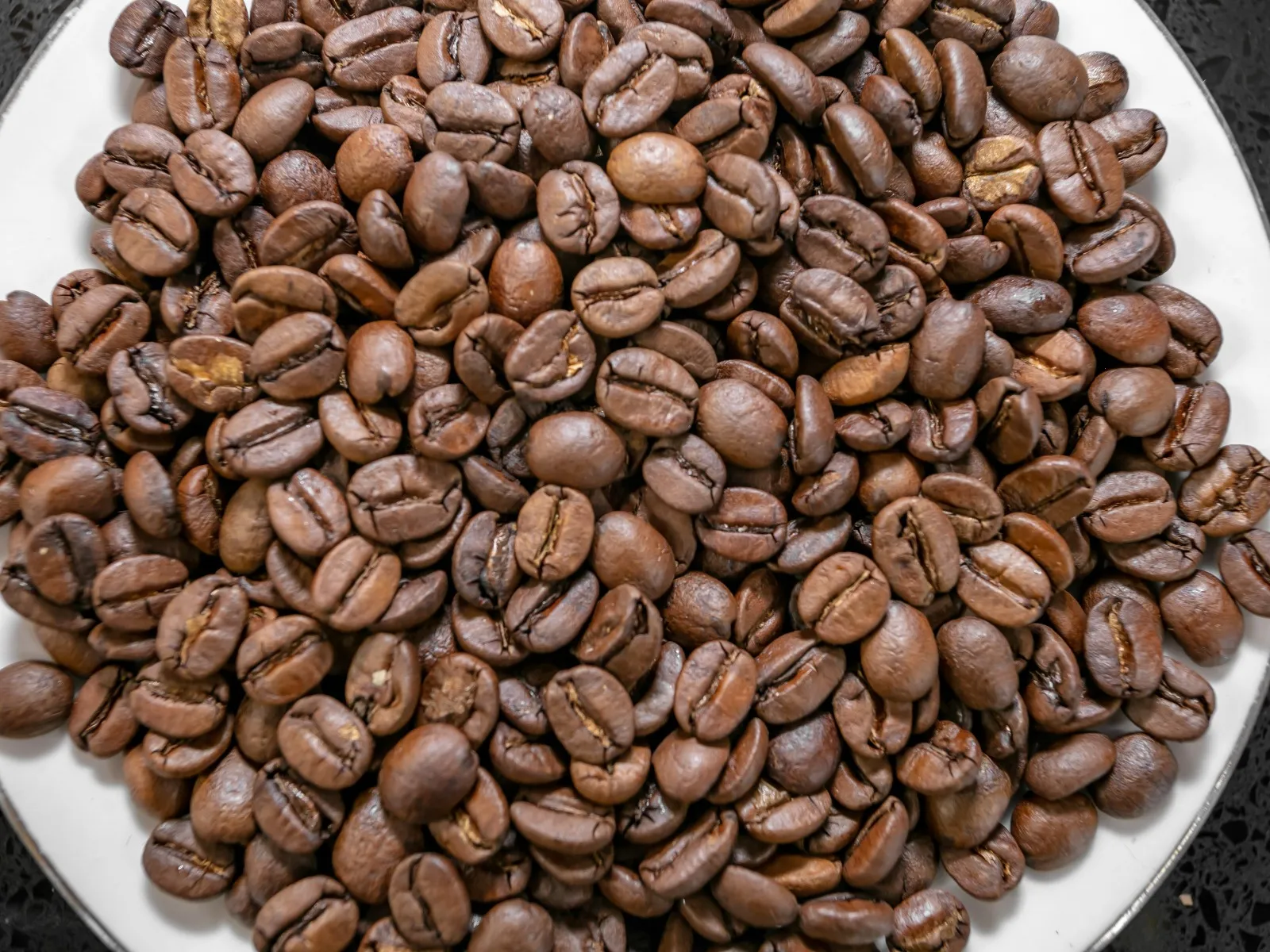
You can order a mocha at almost any cafe in America, and it will arrive as a chocolate-flavored coffee drink. The word does not refer to chocolate. It refers to a place.
The Port of Mokha sat on the western coast of Yemen, on the Red Sea. From the late 15th century to the early 18th, it was the single most important coffee trading hub on Earth. Beans were carried down from the Yemeni highlands by camel caravan, sorted at the port, and shipped to Cairo, Istanbul, Venice, Amsterdam, and London. For roughly two hundred years, if you drank coffee anywhere in the world, it almost certainly came through Mokha.
How a port becomes a noun
Naming conventions in trade are blunt. London tea, Persian rugs, Champagne. When a single port handles essentially all of a commodity, the place name becomes the product name. Coffee from Mokha was simply “Mokha.” Eventually that spelling drifted into English as “mocha,” and the chocolate connection was layered on much later — Yemeni coffees often carry a deep, slightly bitter, cocoa-like note in the cup, and European traders started pairing them with actual chocolate to play up the flavor.
The drink we now call a mocha is a tribute, intentional or not, to a Yemeni port whose harbor silted up centuries ago.
What happened to Mokha
The decline was gradual. Dutch traders smuggled live coffee plants out of Yemen in the early 1700s and started growing them in Java. The British did the same with India and Ceylon. The French planted in Réunion. Within a few decades, the Yemeni monopoly was broken, and the volume of coffee passing through Mokha collapsed. The harbor itself silted up by the 19th century. The town remains, but its place in the coffee trade does not.
Why we still source from Yemen
Yemeni coffee never industrialized. The farms in the Khawlani hills still process beans the way they did in the 1500s — fruit picked by hand, dried on rooftops, husks split with millstones. The yields are small, the supply chain is fragile, and the prices reflect both. But what comes out of the cup is a coffee with a flavor profile you cannot get anywhere else: dried apricot, warm spice, and the cocoa-like depth that gave the word “mocha” its second life.
When we serve our Yemeni Khawlani at the cafe, or ship a one-pound bag to your kitchen, we are not just selling coffee. We are routing a small amount of trade back through the lineage that created this drink in the first place.
It is a quieter way to honor a five-hundred-year-old port.
If you want to taste it, try our Yemeni Khawlani. Whole bean or ground.